Let Us Not Suffocate Youth by Narrowing the Sphere of Halal
At the “Talking About Islam with Youth – 2” workshop organized by the Bülbülzade Foundation, the “algocracy” order brought about by the digital age, young people’s identity quests, and the sphere of freedom in religion were discussed. Prof. Dr. Muhammet Enes Kala emphasized that young people’s questioning should be read not as a threat, but as a search for truth.
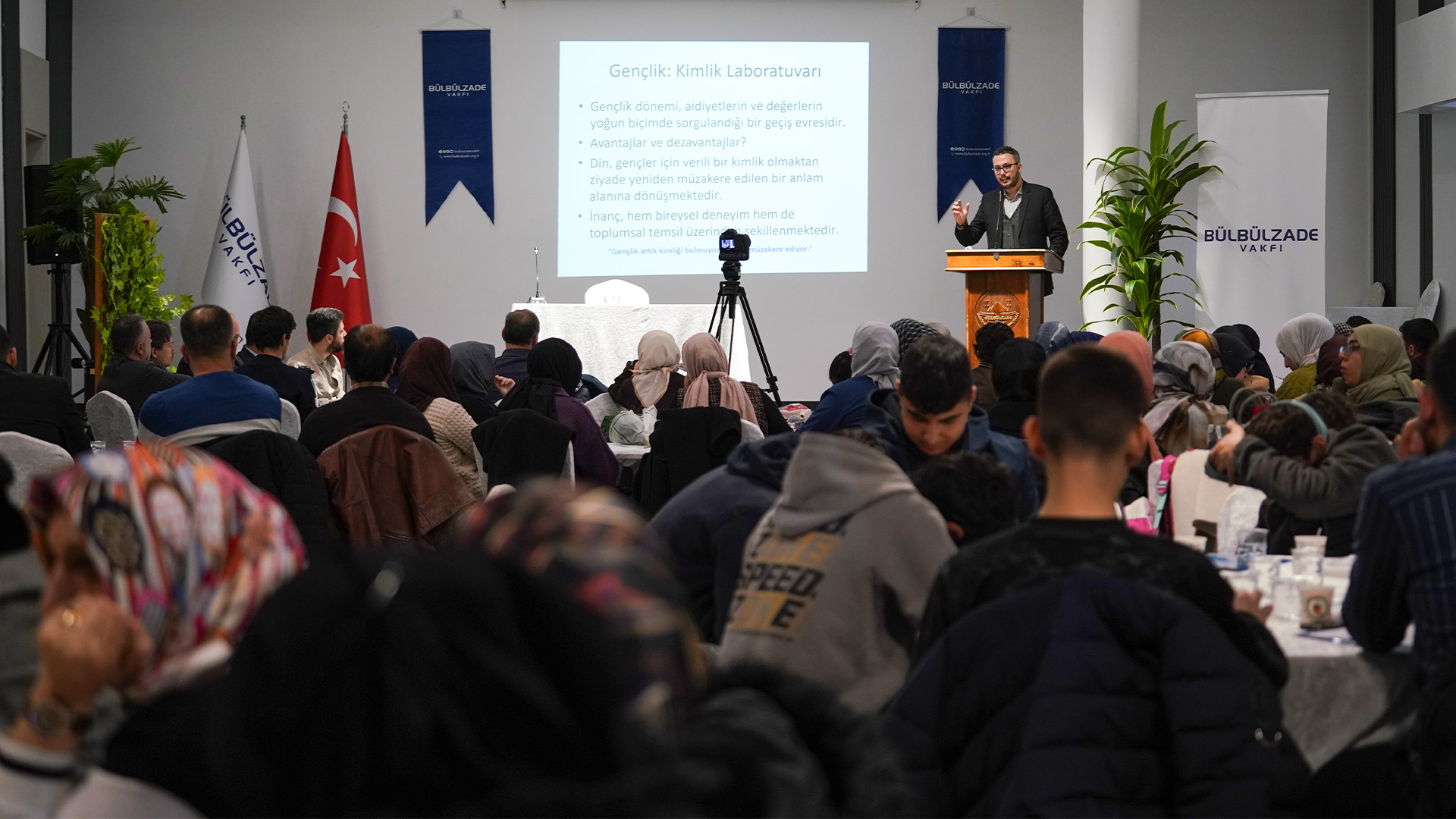
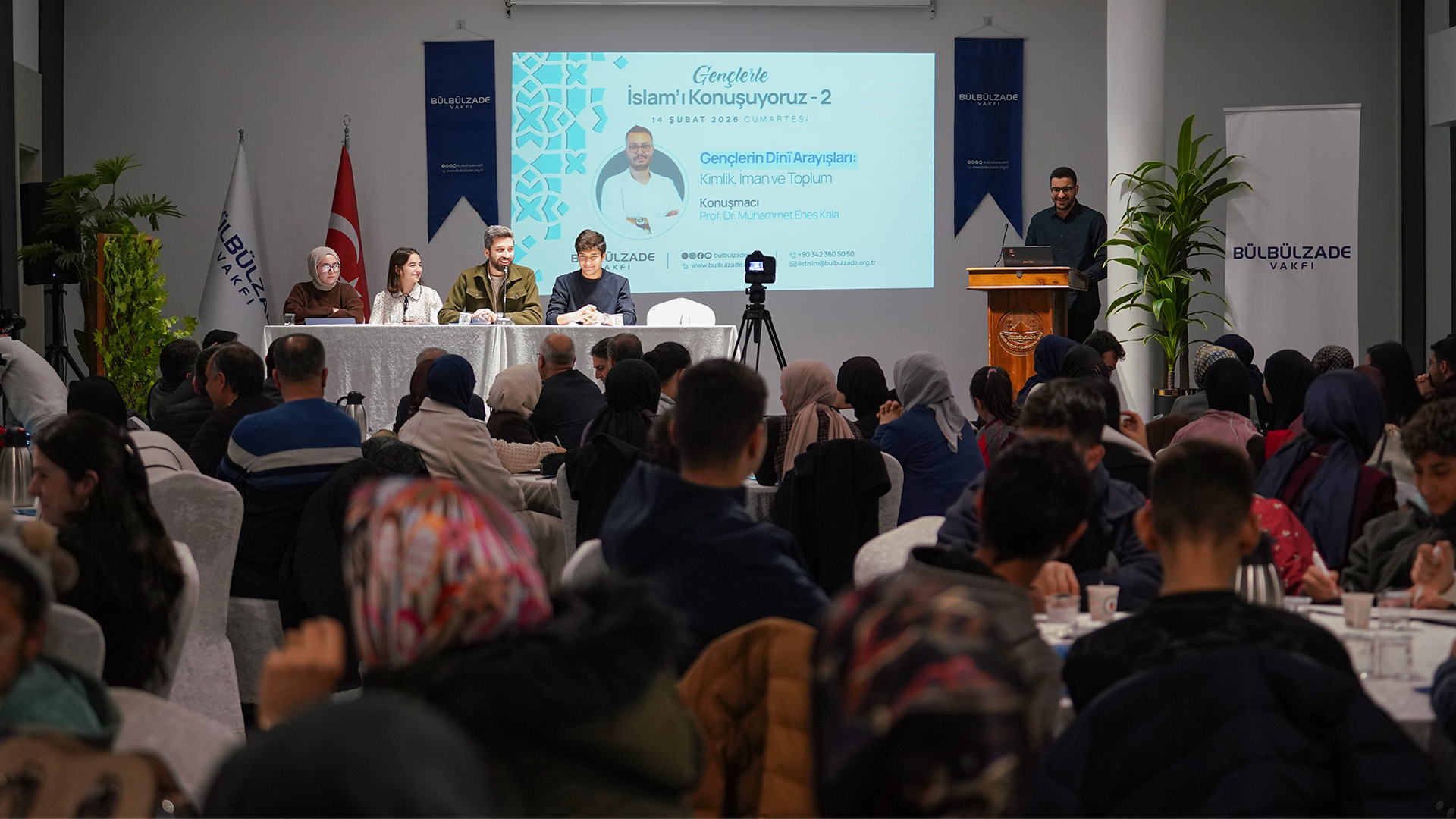
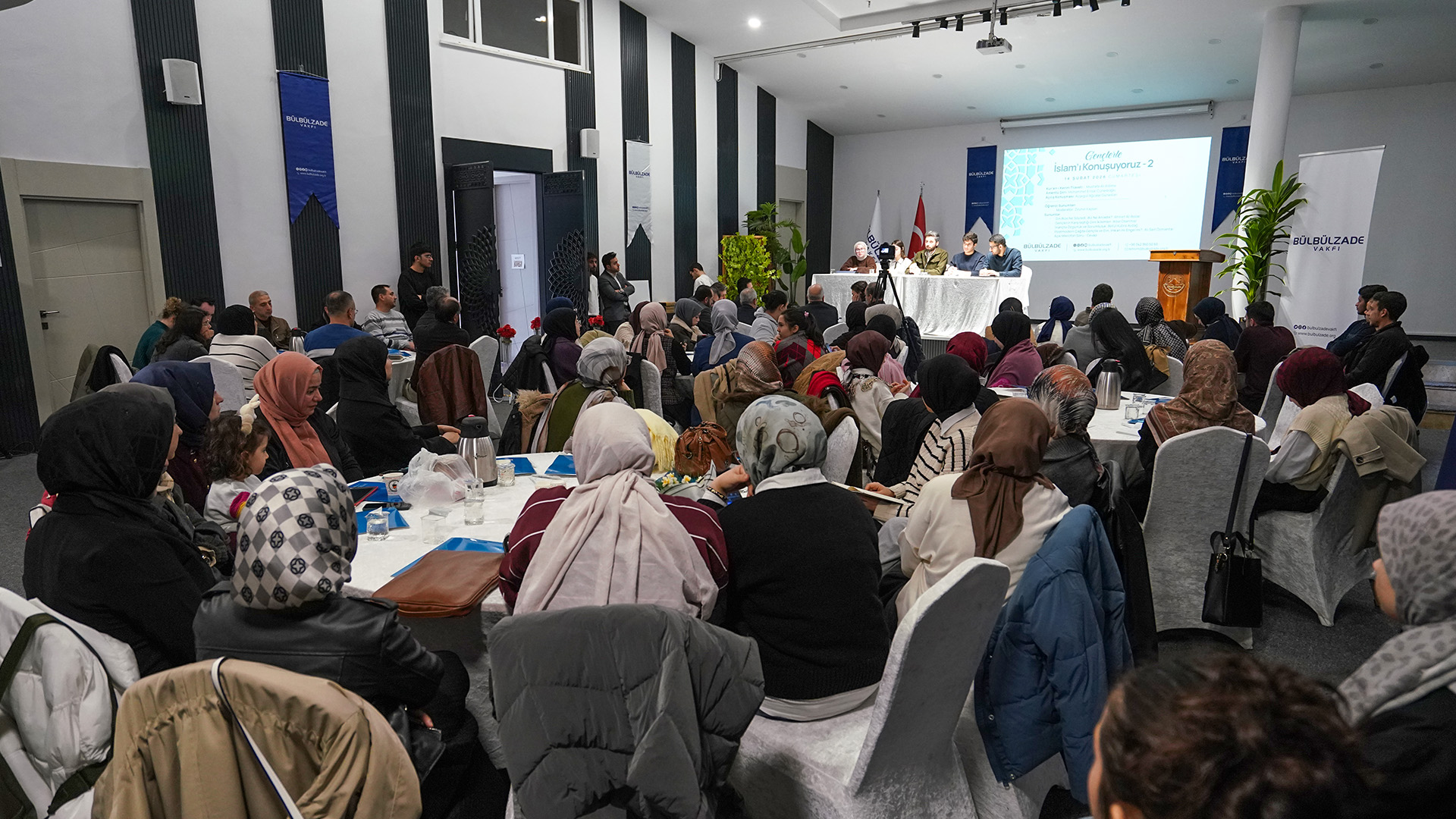
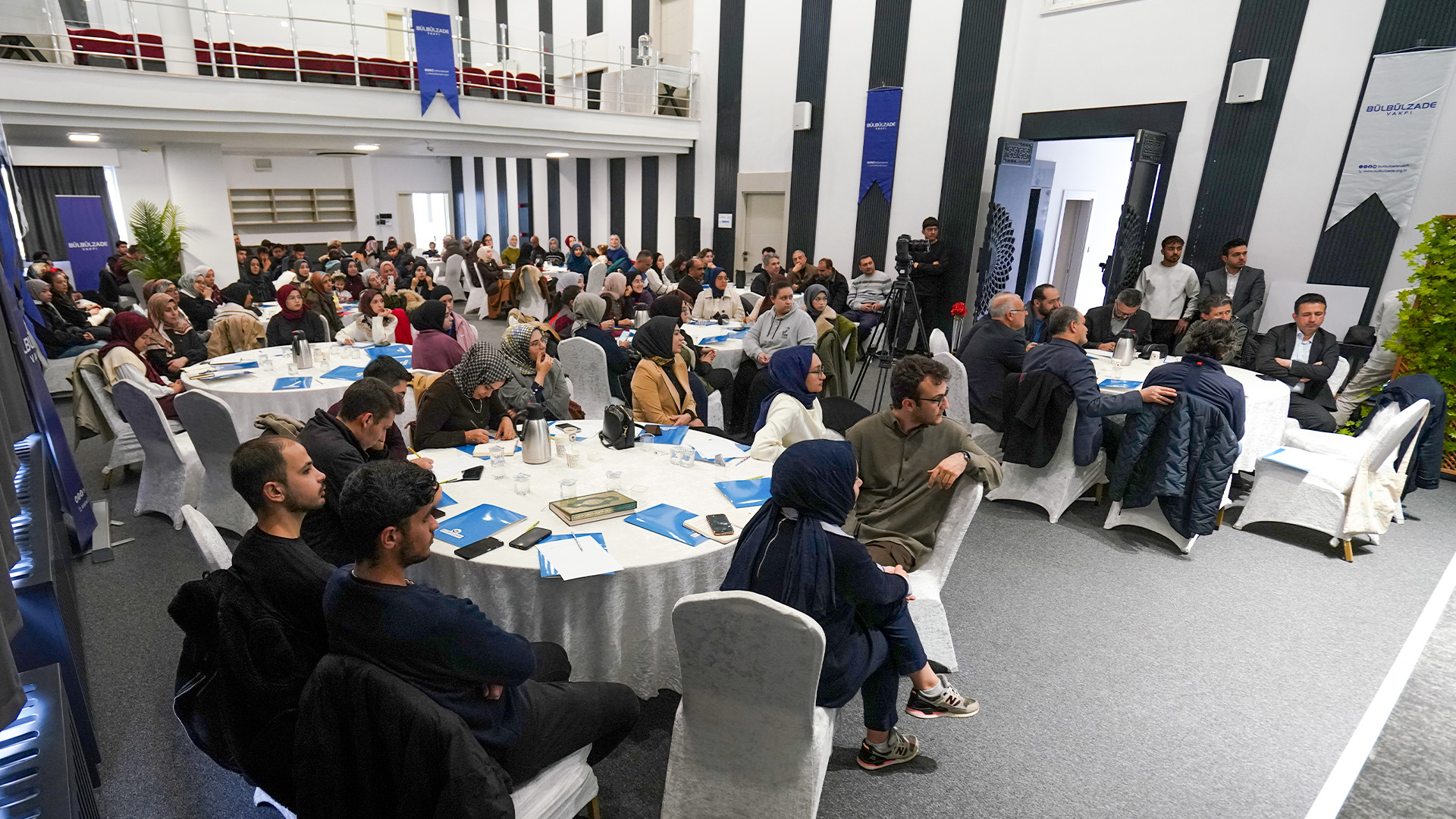
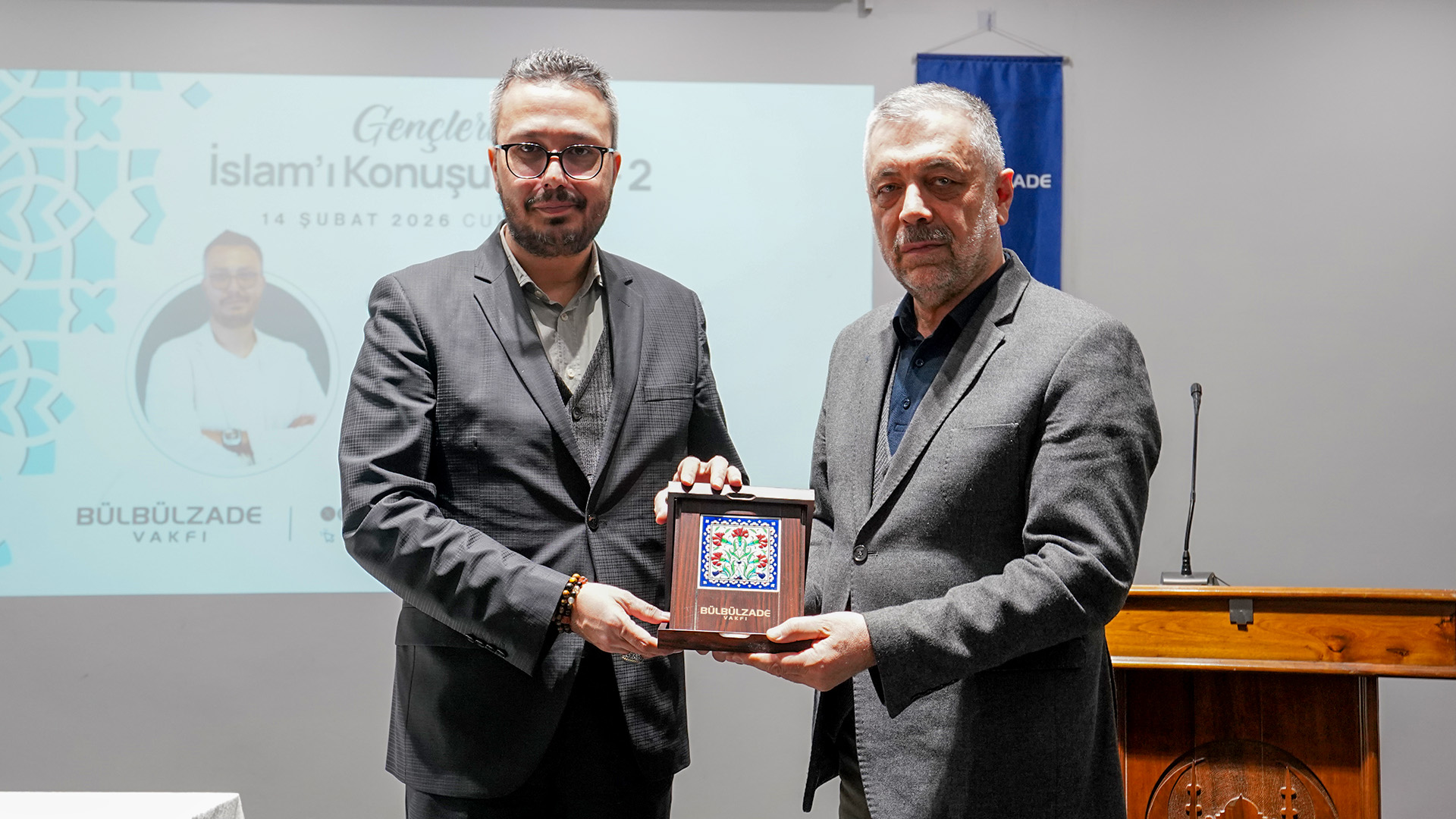
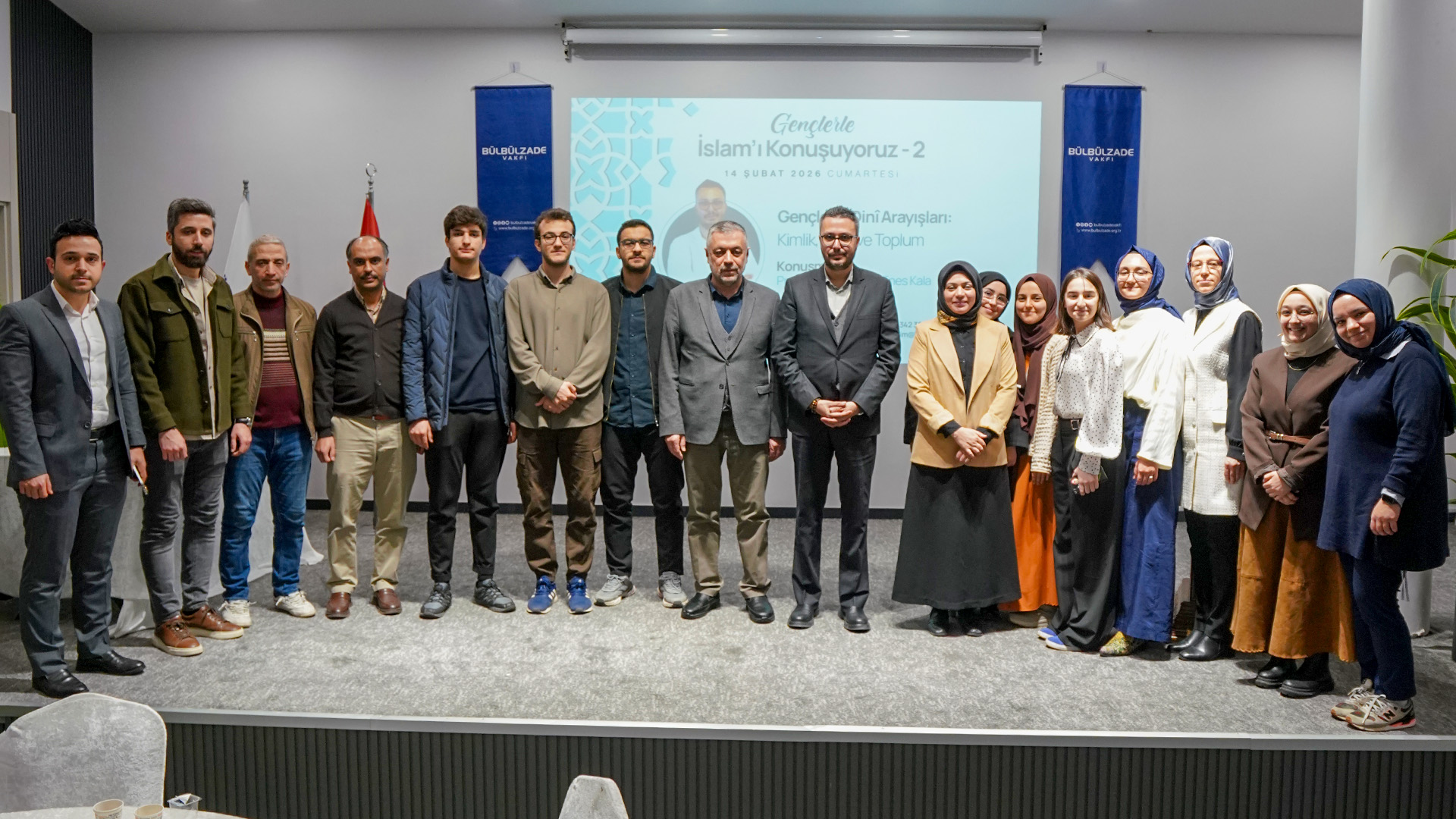
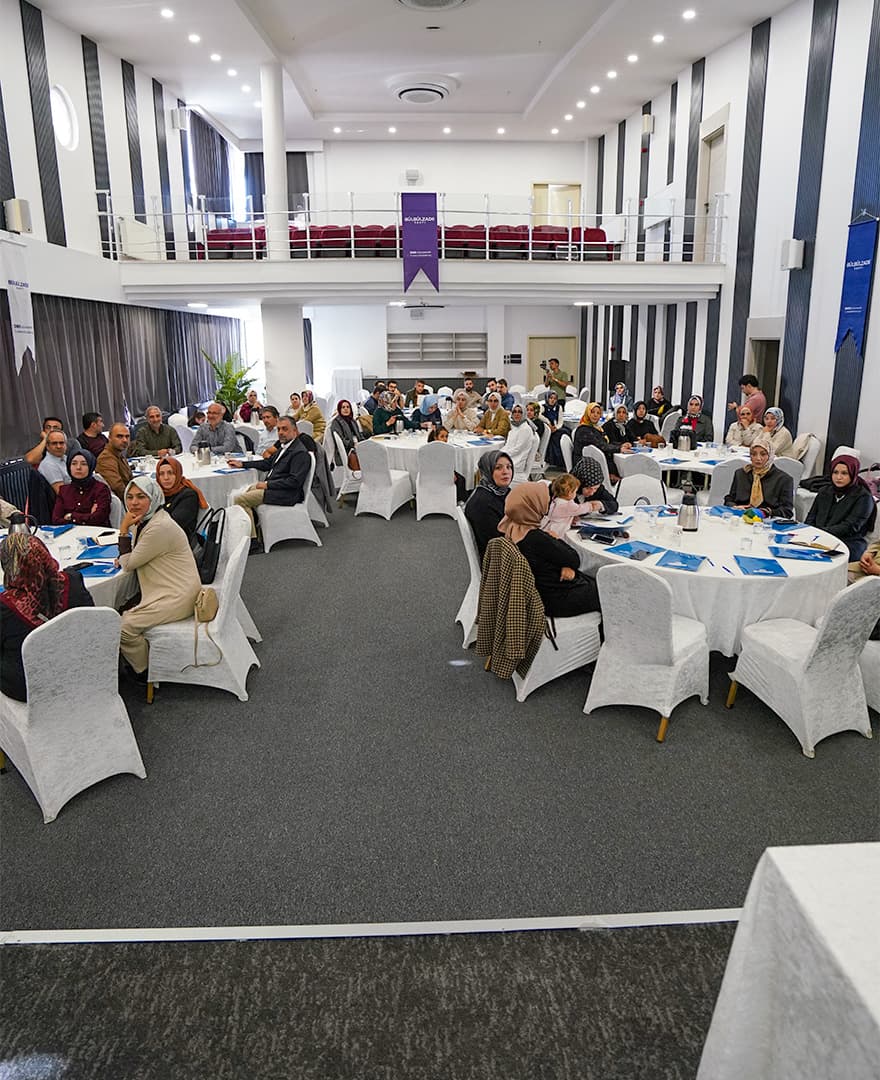
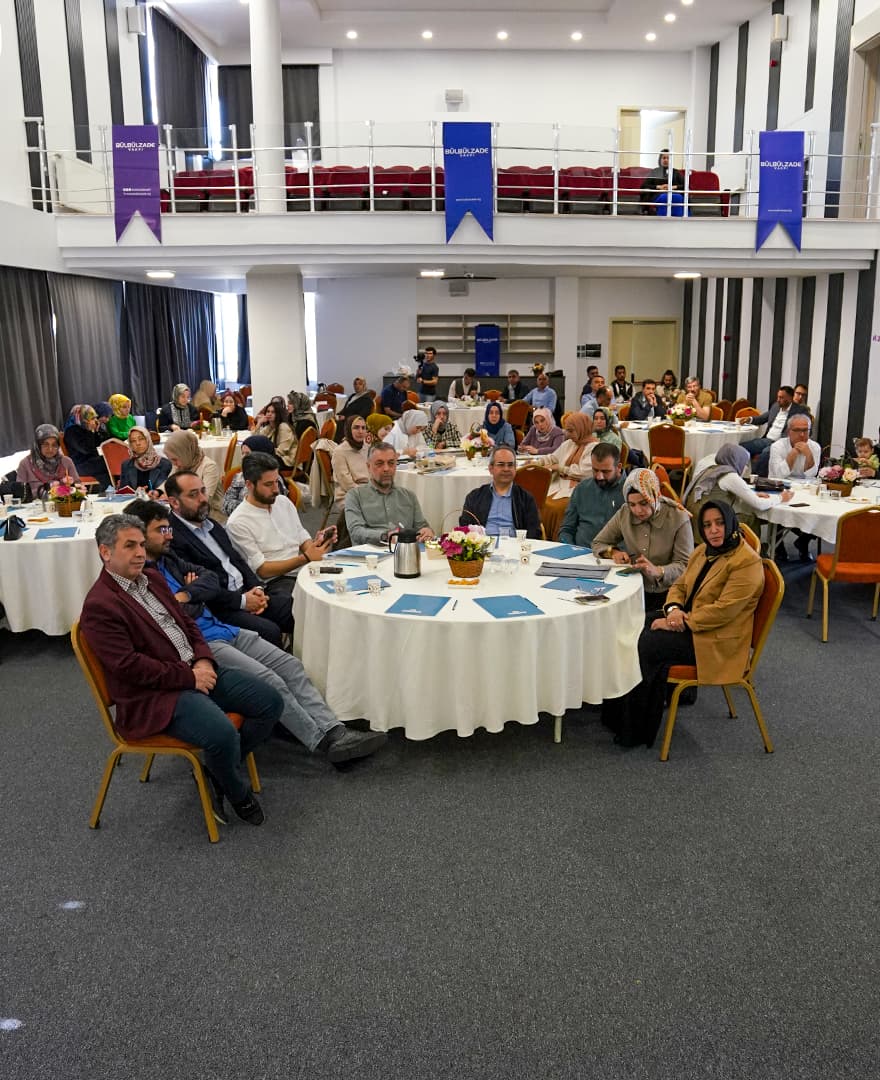
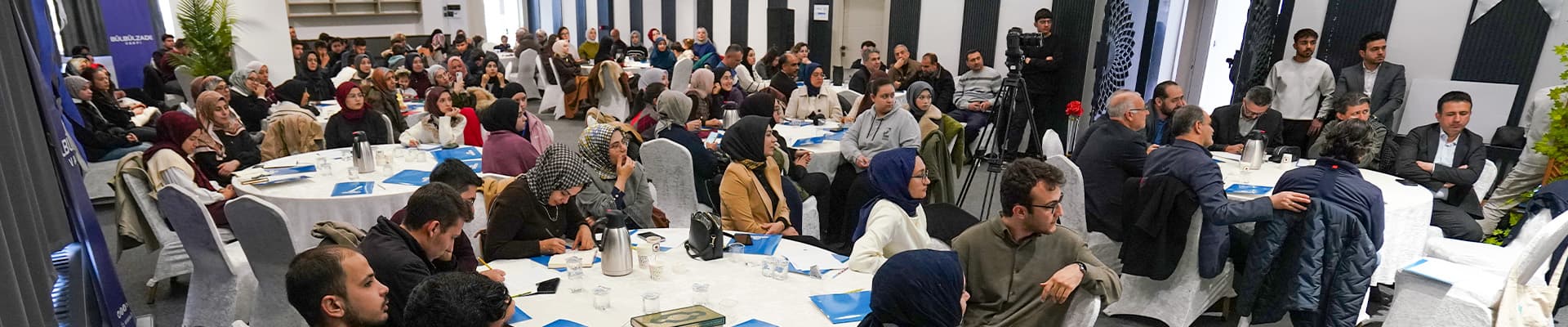
The second of our “Talking About Islam with Youth” workshop series, organized under the leadership of the Education and Teachers Unit of the Bülbülzade Vakfı to understand the world of faith of young people, produce solutions to their problems, and develop an authentic language of communication with them, was held on Saturday, February 14, 2026, at Zade Life Hotel Zeugma Hall. Organized under the main theme “Religious Searches of Youth: Identity, Faith and Society,” the program was completed with a Qur’an recitation, a poetry performance, student presentations, and an illuminating conference by Prof. Dr. Muhammet Enes Kala.
YOUTH ASKED, YOUTH SPOKE
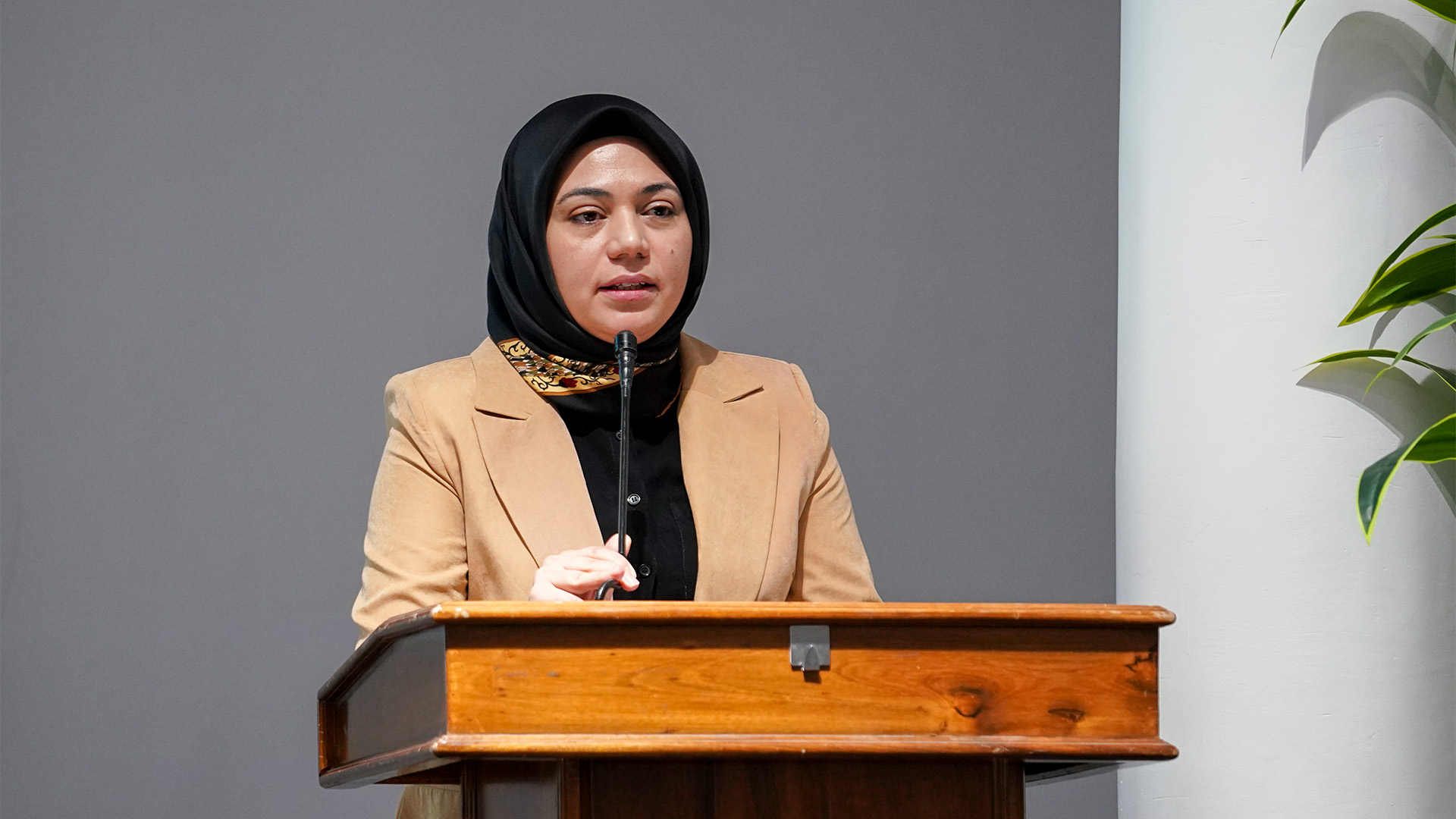
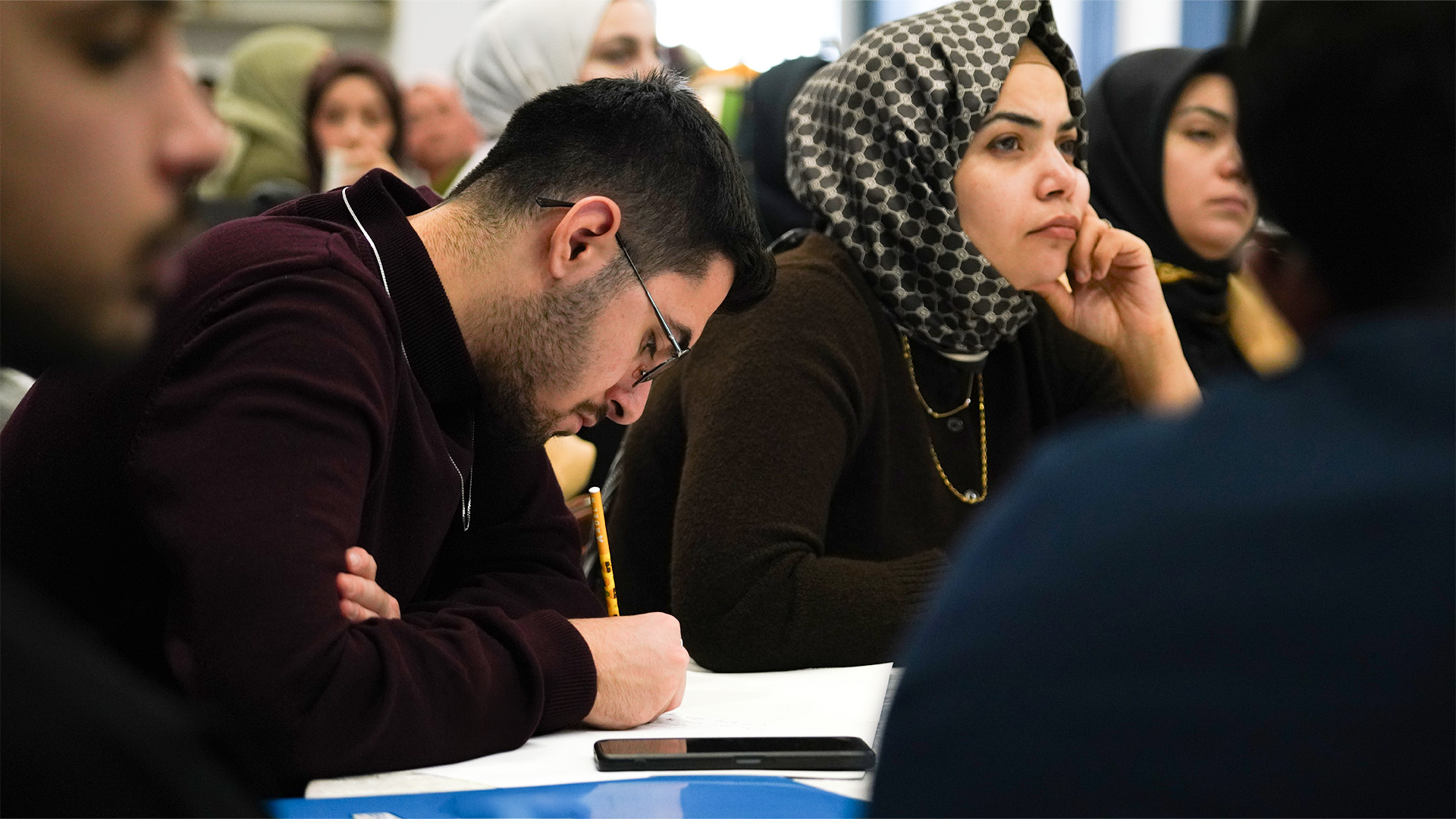
The program began in a spiritual atmosphere with a Qur’an recitation and the recitation of the poem Amentü by Muhammet Ensar Cünedioğlu. Following the opening speech delivered on behalf of our foundation by Ayşegül Ağcalar Günaslan, we gave the floor directly to the youth. In the session moderated by our Foundation Director Zeynel Kaplan, our young brothers and sisters addressed matters of faith from their own perspectives. Ahmet Ali Bozar presented on “What Did Religion Tell Us, What Did We Understand?”, İkbal Osanmaz on “Religious Dilemmas Faced by Youth,” Betül Kübra Aydağ on “Freedom and Responsibility in Faith,” and Ali Sait Özmantar on “Youth and Religion in the Postmodern Age: Opportunity or Obstacle?” The insights of the young speakers were followed with great interest by educators and participants in the hall.
DO NOT REDUCE RELIGION TO A LIST OF PROHIBITIONS
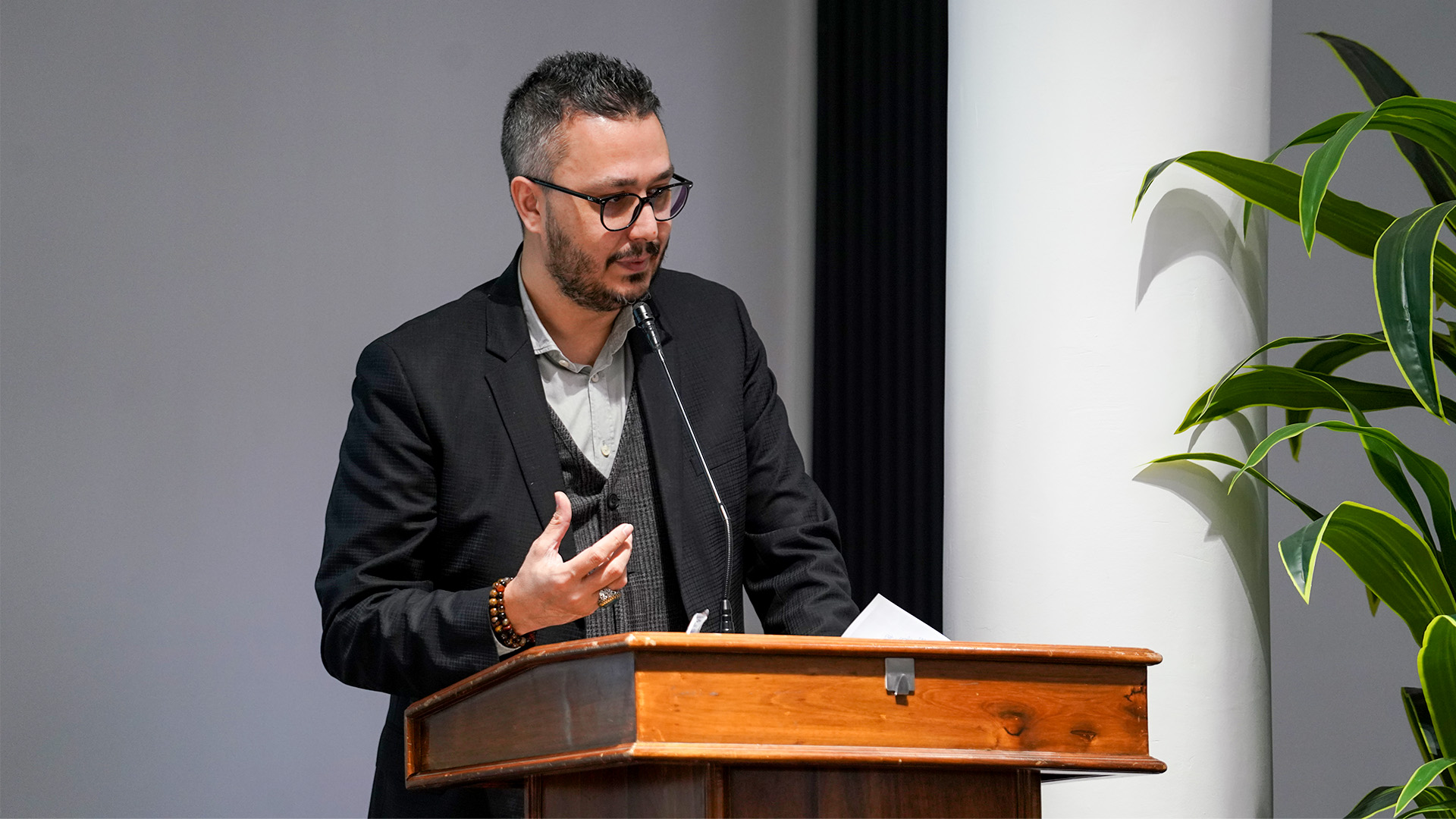
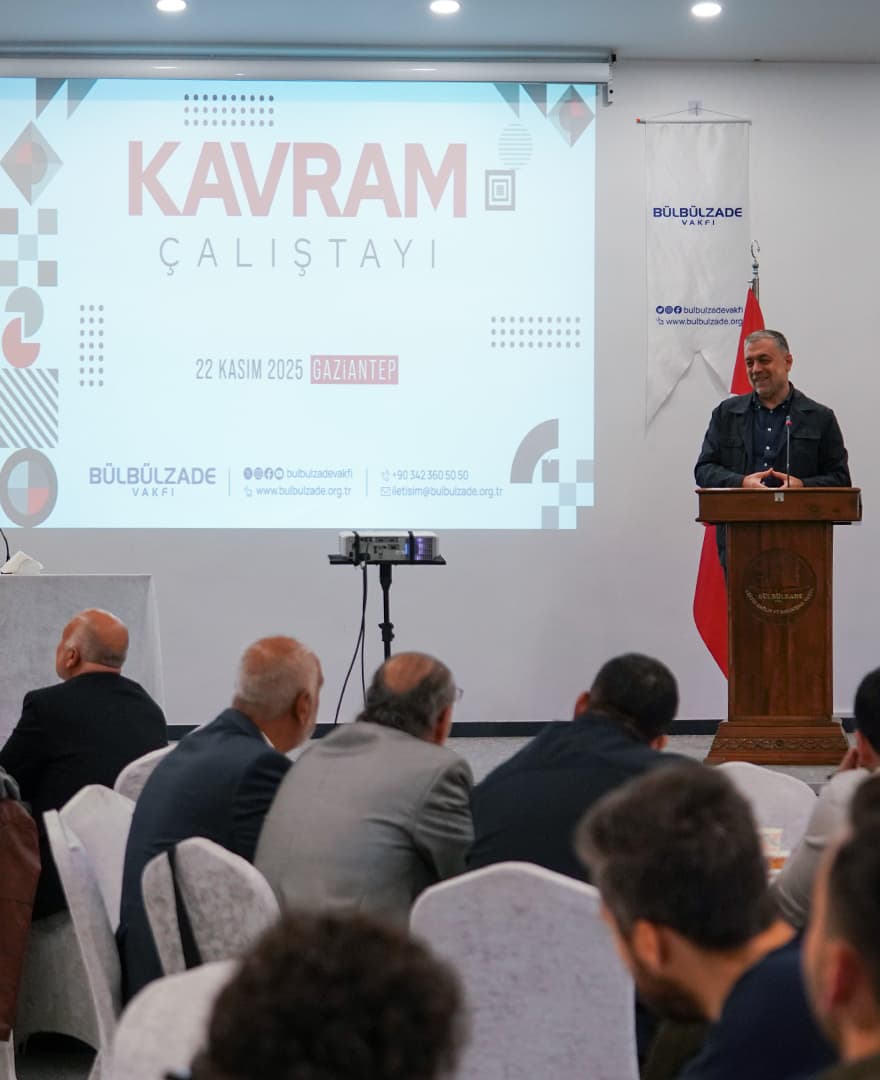
Referring to the youth presentations in his speech, Prof. Dr. Muhammet Enes Kala made striking remarks regarding today’s religious education and language of communication. Stating that one of the fundamental mistakes made while conveying religion is “narrowing the sphere,” Kala said: “We must not narrow the sphere of permissibility (ibaha). Without showing young people the breadth of the halal sphere, we should not directly present the sphere of the haram and suffocate them.”
NOT ABRAHAM, BUT THE MODEL OF PROPHET IBRAHIM
Drawing attention to the misreading of young people’s questioning processes through the figure of “Abraham” in Western theology and “Prophet Ibrahim” in the Qur’an, Prof. Dr. Kala shared the following important observation: “The Abraham model in Western theology represents blind faith, ‘fideism.’ However, the Prophet Ibrahim described in the Qur’an is a young man who questions, who rejects what is merely imitated, and who seeks verified truth. This search, inquiry, and even opposition that exist in the nature of our youth are in fact innate qualities. We should see their questions not as threats but as efforts to reach the truth.”
FROM DEMOCRACY TO ECHO CHAMBERS
Addressing the impact of digitalization on faith, Kala stated that today “Democracy” has been replaced by an “Algocracy” regime governed by algorithms. Noting that social media algorithms imprison individuals in “echo chambers,” Kala said: “These echo chambers, where everyone only hears those who think like themselves, prevent us from seeing the whole truth. Our youth are within a digital ‘oasis’; our duty is to transform this oasis into a meaningful space for them.”
WHAT IS DISTANCING YOUTH FROM ISLAM?
Touching upon the recent rise in discussions on deism and atheism, Prof. Dr. Kala emphasized that this situation should be read not merely as a “deviation” but as a “search for answers.” Kala concluded his remarks by saying: “What did a young person fail to find while being a Muslim that led them into another search? What deficiency in religious representation, justice, or sincerity pushed them to this point? Before judging the youth, we must ask these questions to ourselves.”
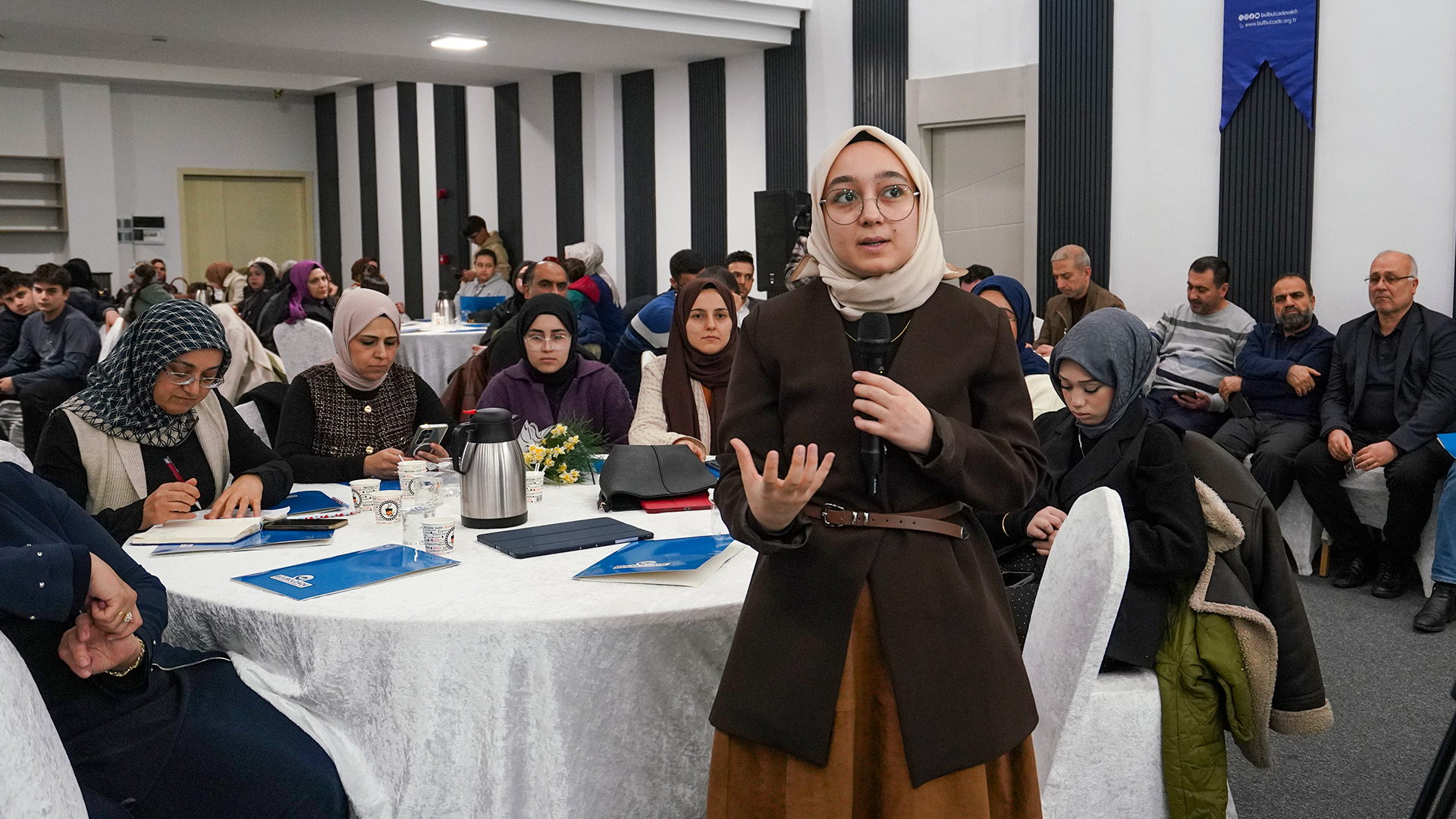
The program concluded with an open microphone session in which participants’ questions were answered. As the Bülbülzade Foundation, we will continue to listen to the voices of youth and think together with them.