From the “Savior” Role to Companionship
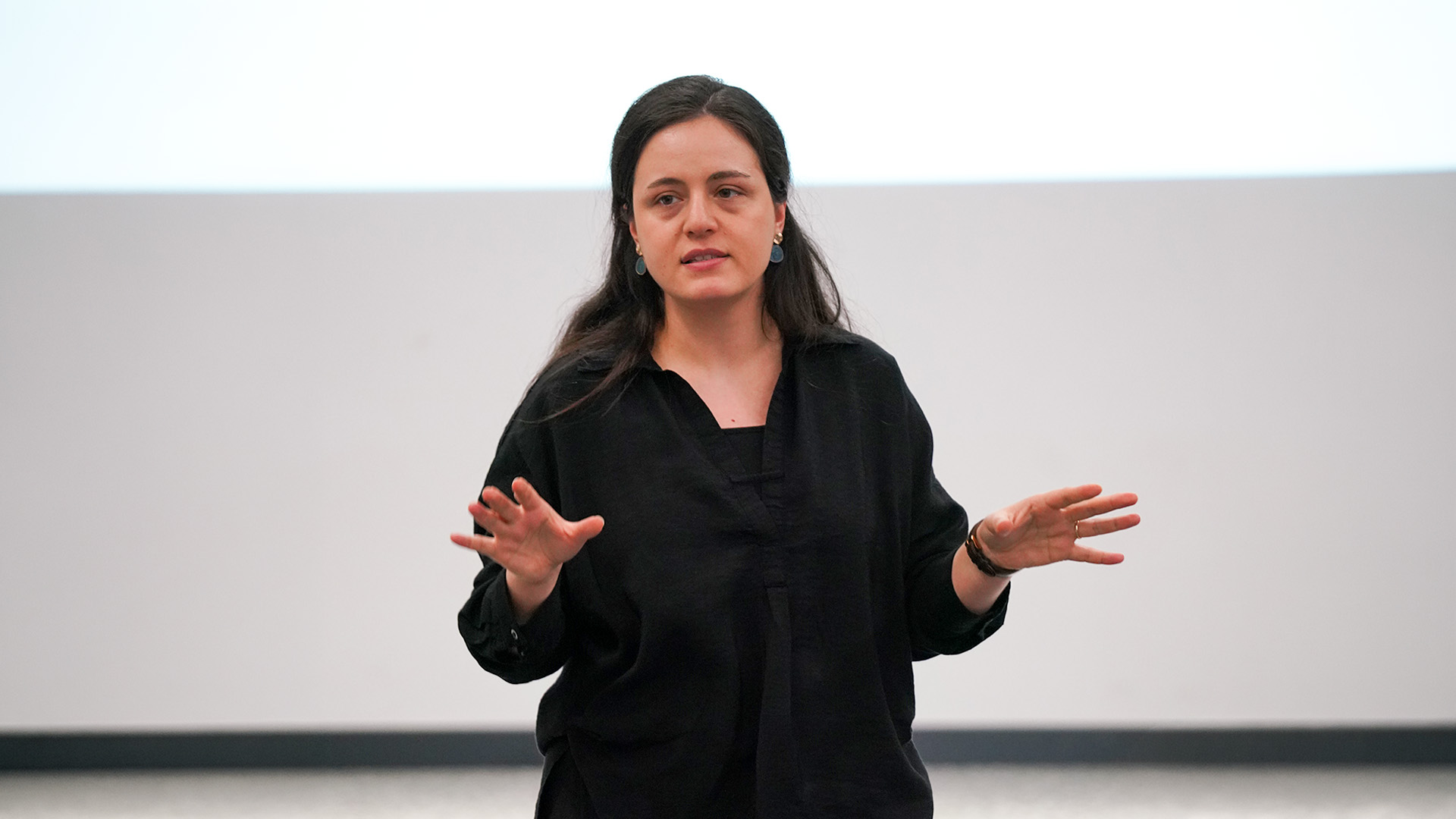
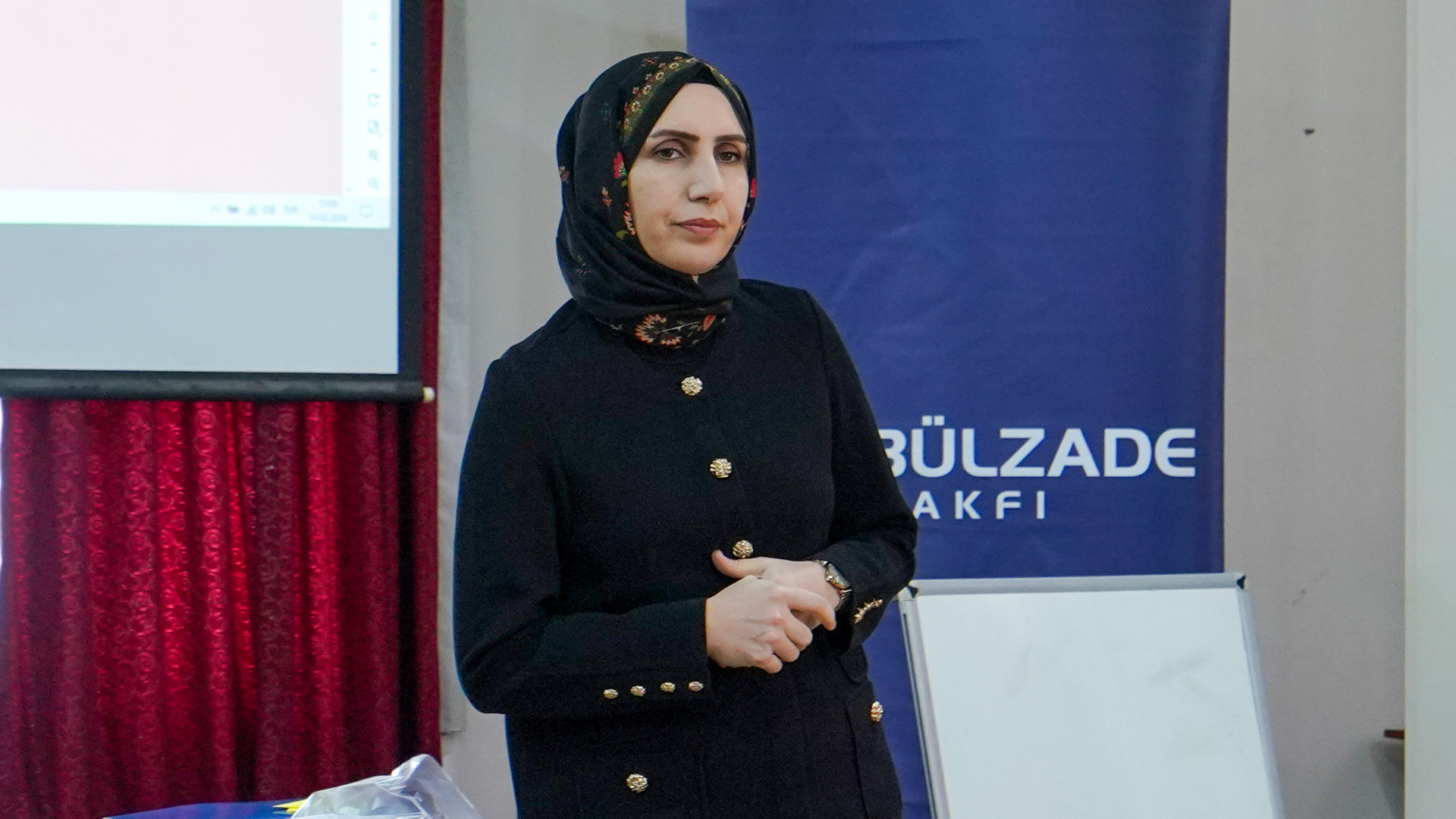
With our expert clinical psychologists Sena Aldemir, Kübra Erten and Didar Zeynep Bayram, we discussed the dynamics of being a “companion” rather than a “savior” in the training titled “Psychological Resilience and Working with Vulnerable Groups.”
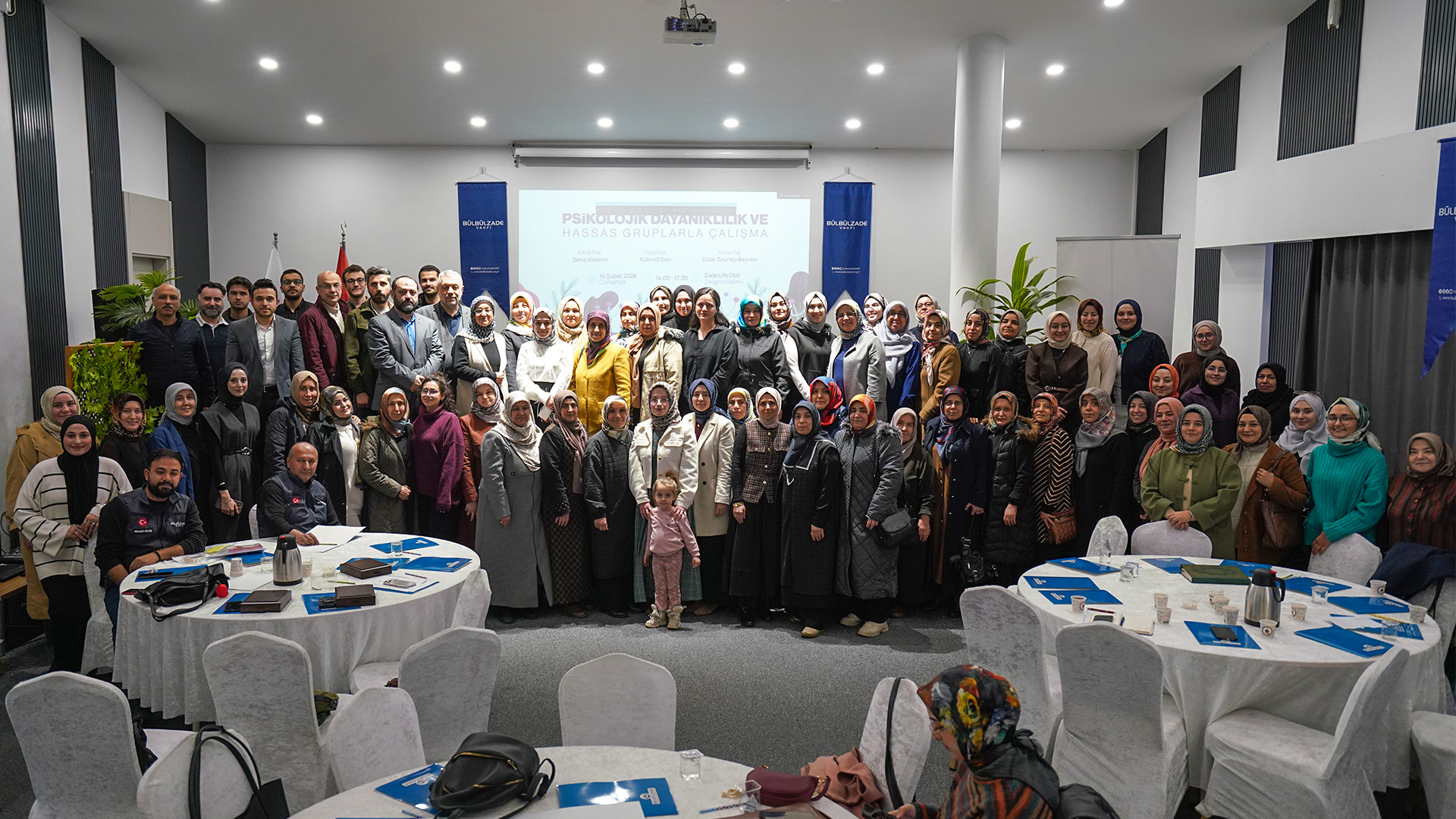
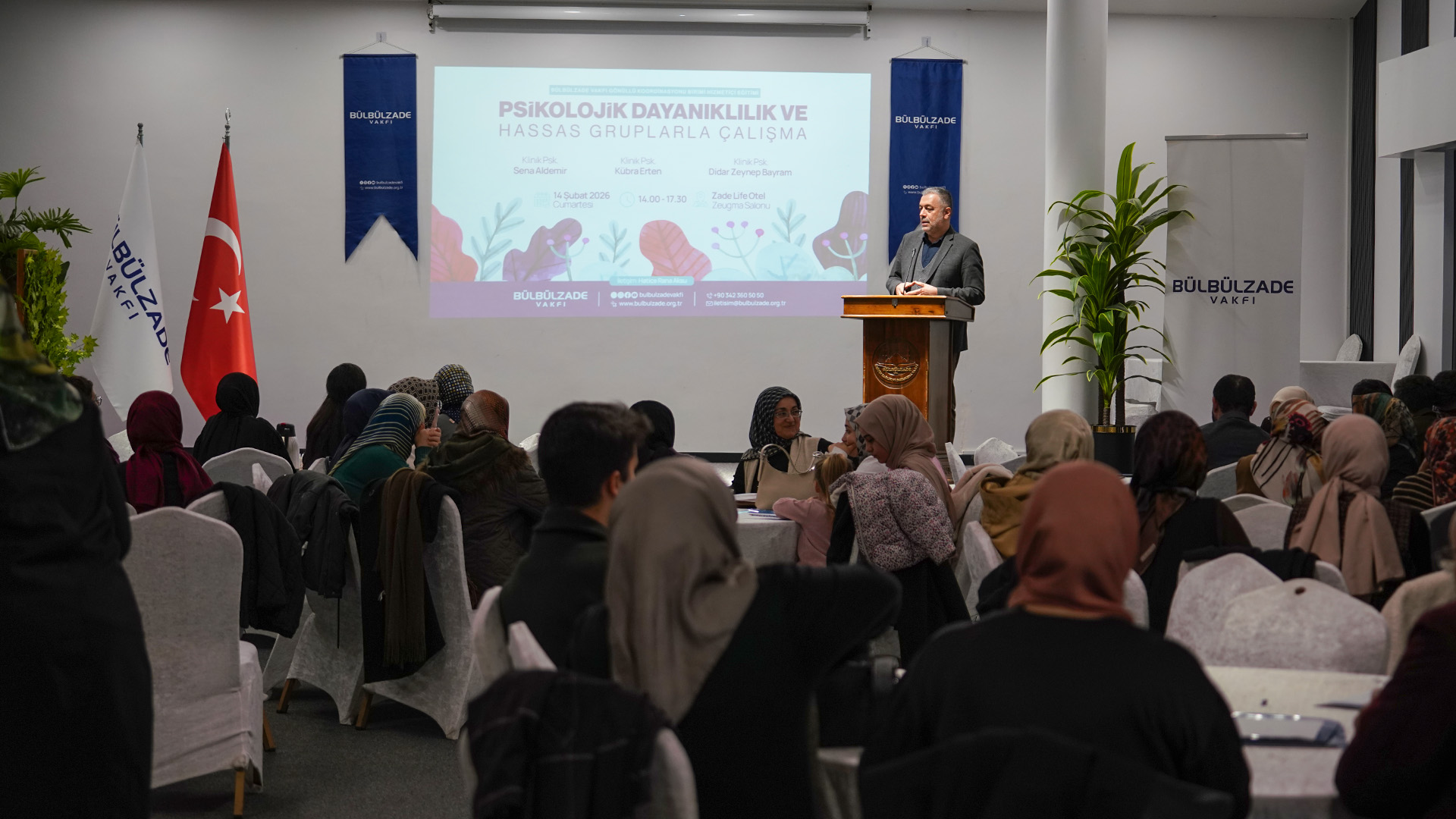
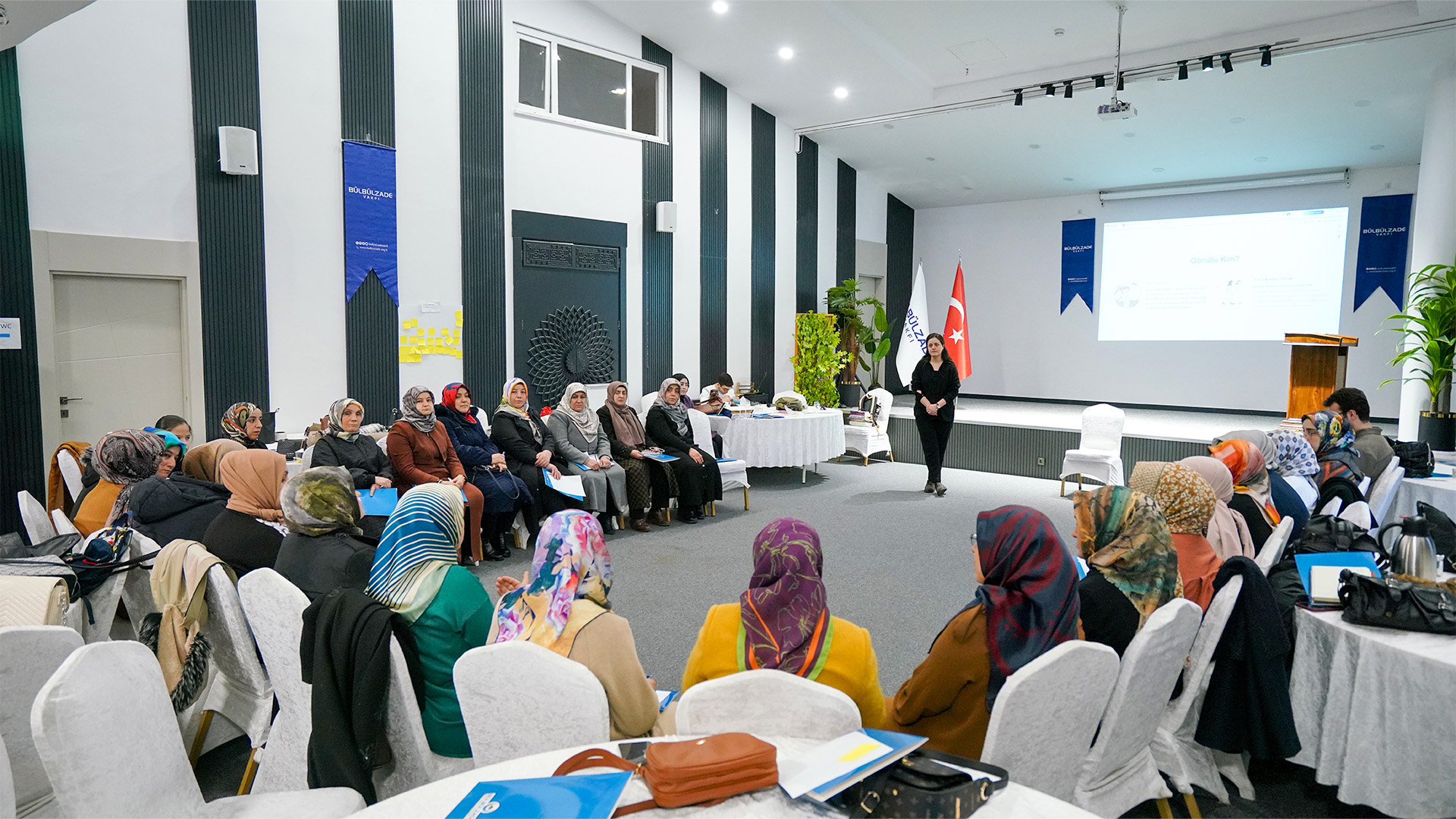
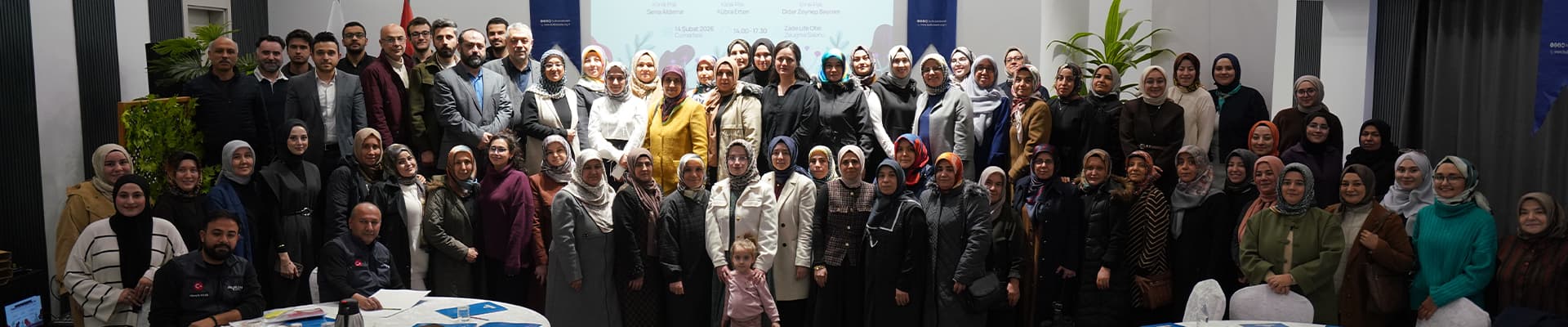
In order to carry our foundation’s movement of goodness to a more professional and sustainable ground, we held our in-service training seminar titled “Psychological Resilience and Working with Vulnerable Groups,” organized by our Volunteer Coordination Unit, on Saturday, February 14, 2026, at Zade Life Hotel Zeugma Hall. The program, which was organized to help our volunteers overcome the challenges they encounter in the field and strengthen their psychological resilience, was attended by our foundation executives, unit supervisors, and volunteers actively serving in the field.
LET US NOT IMPRISON HUMANITY IN HUMANITY’S OWN DUNGEON
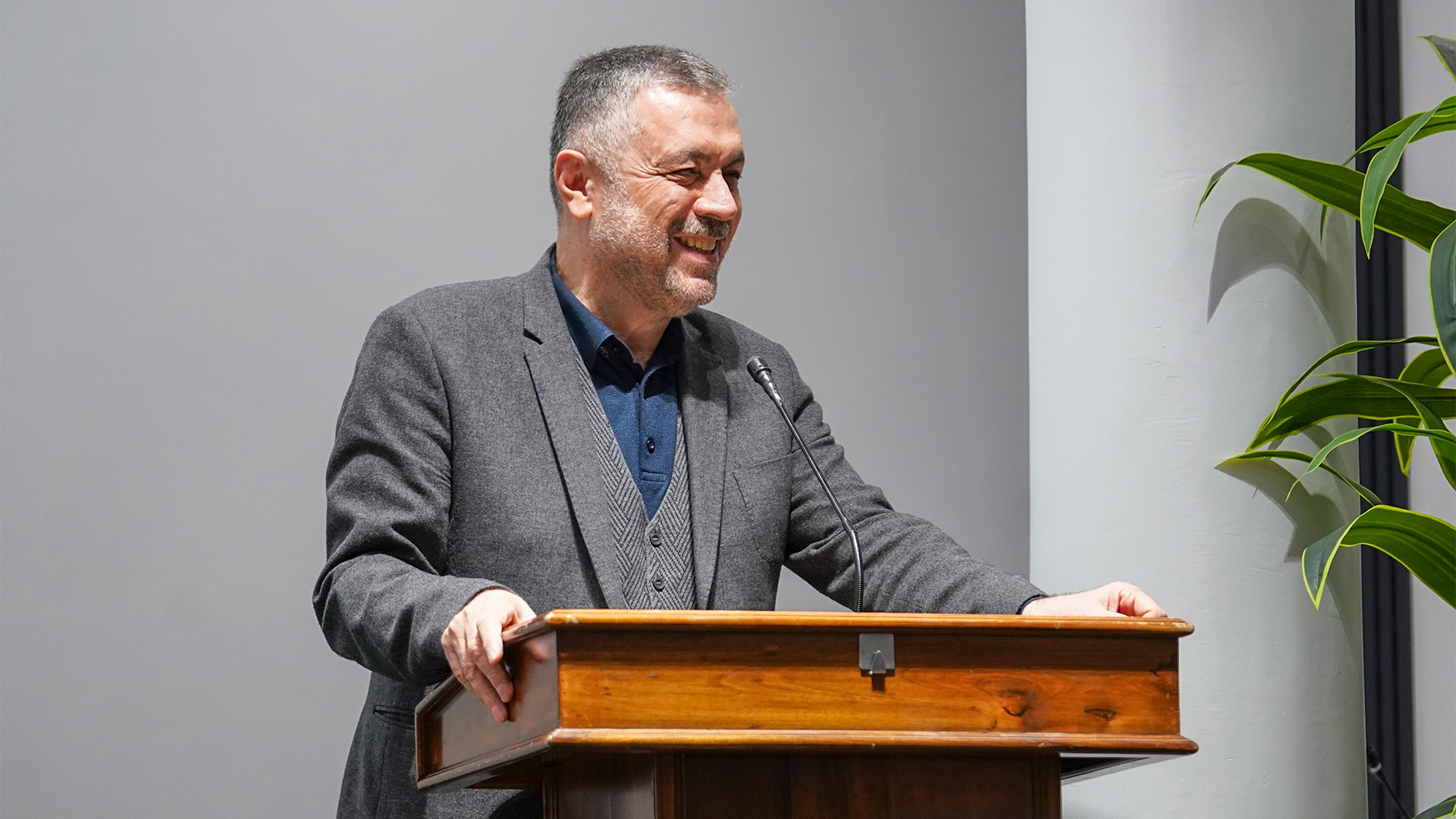
In his opening speech, our Foundation President Turgay Aldemir shared our journey of solidarity since 1993, offering self-criticism regarding the classical understanding of aid in civil society and conveying our foundation’s new vision with these powerful words:
“With the experience we have gained in the field, we have seen that merely meeting physiological needs eventually creates dependency, imprisoning a person in their own dungeon by making them dependent on another. Therefore, we chose to invest in the ontology of the human being—the very essence that makes a person human and the one addressed by the Creator. We aimed for individuals to gain conceptual competence that enables them to connect with their intellect, emotions, nature, history, the future, and all existence. When individuals acquire this, their happiness index moves to an entirely different level. Today, two fundamental concepts stand out in the world: one is the ‘gross national product,’ which became popular after the 1940s, and the other is the ‘gross happiness index,’ emphasized by Ibn Khaldun and modern urban researchers. The future of a society depends on the index of peace and trust that its leading figures provide to others. When a person’s future and rights are left between someone else’s lips, you cannot speak of a free individual.”
WE WILL NOT LOSE OURSELVES WHILE HELPING
Noting that one of the greatest problems encountered in civil society today is satisfying the narcissistic self within while trying to solve others’ problems and advancing at their expense, Aldemir stated:
“As a foundation, our fundamental principle with our volunteers is this: We will not lose ourselves while helping. We will strengthen our own psychological and physical resilience, protect our relationship with nature and humanity, and empower those we serve. We will gently lift the person who has fallen into hardship due to war, disaster, or other reasons from the point at which they have become vulnerable. We will strengthen them in every aspect, equip them with the competencies of the age, and ultimately ensure that they exist at the table of the powerful with their own voice, identity, and name. This is the story of Bülbülzade Foundation.”
INTERACTIVE WORKSHOP WITH EXPERTS
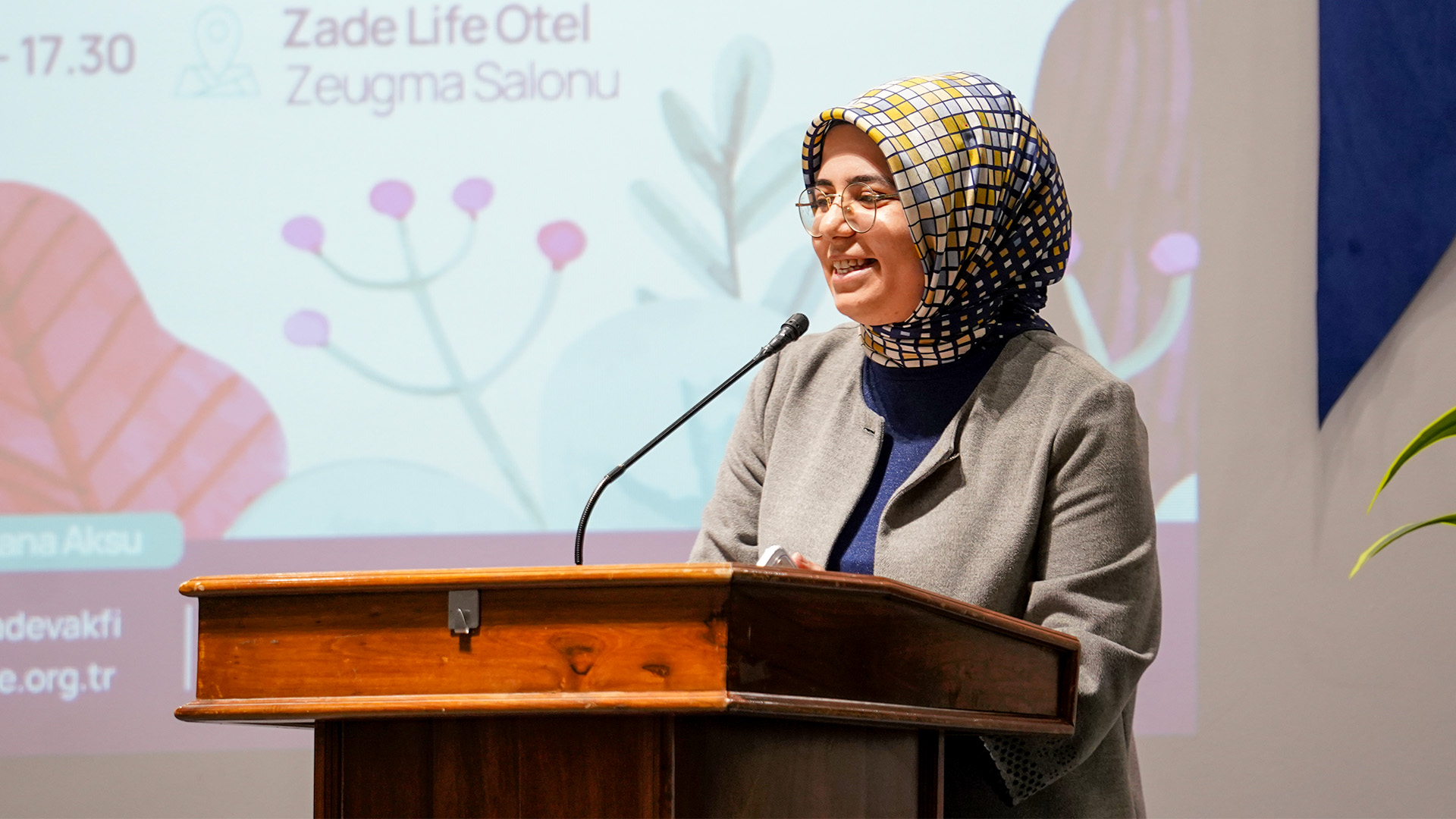
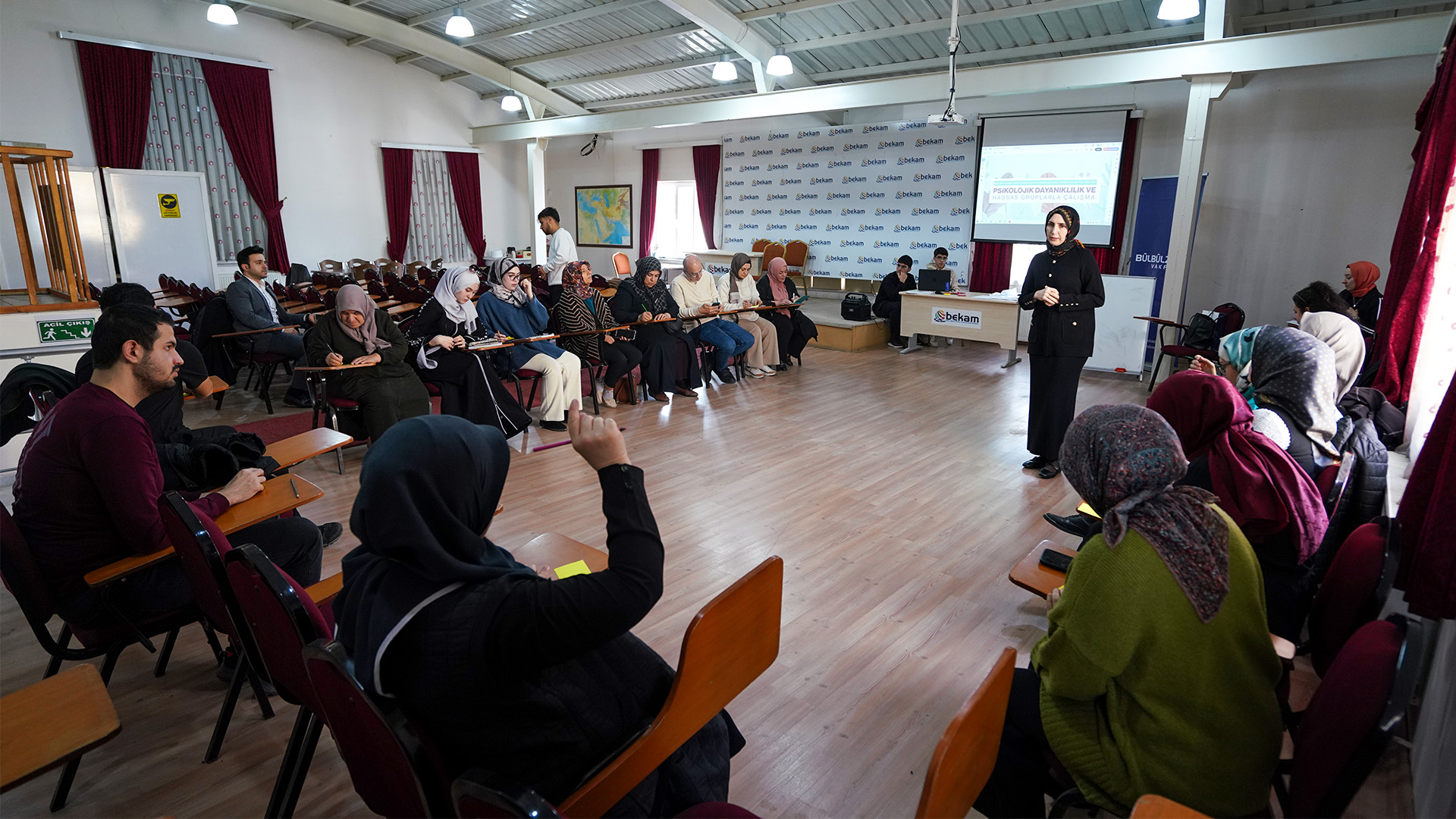
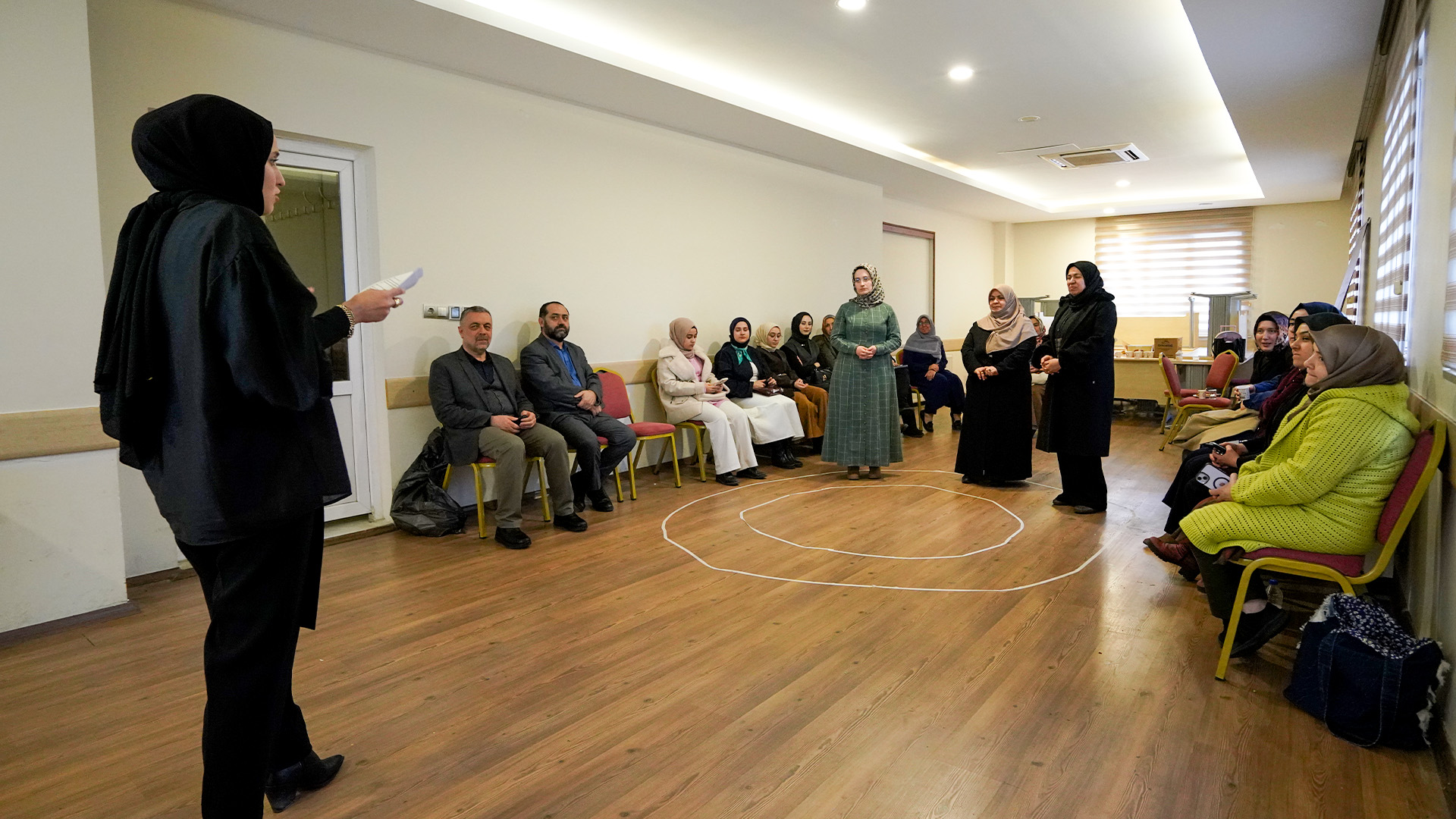
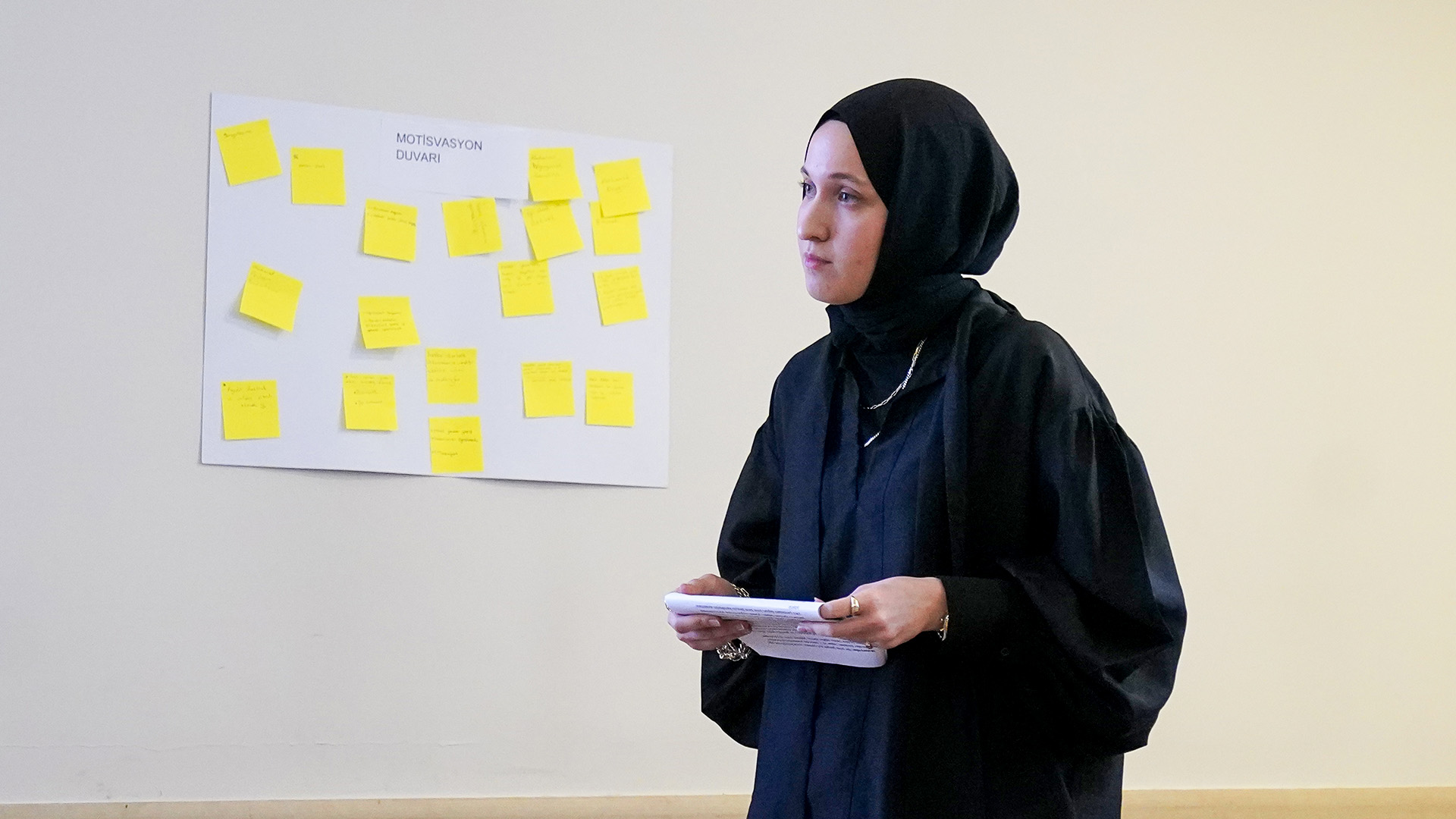
Following the opening speeches, the training phase began. Our volunteers were divided into three groups and participated in an interactive workshop facilitated by clinical psychologists Sena Aldemir, Kübra Erten, and Didar Zeynep Bayram. In the curriculum delivered simultaneously across all groups, emotional burdens encountered in the field were comprehensively addressed. The training first examined the sources of volunteer motivation and emphasized the importance of being a “companion” who supports the healing process rather than assuming the “savior” role that takes all responsibility upon oneself. The concept of Psychological First Aid (PFA), applied in disaster and emergency situations, was detailed, and practical exercises were conducted on ensuring safety and identifying needs in the field through the principles of “Look, Listen, and Link.”
ENERGY MANAGEMENT TECHNIQUES
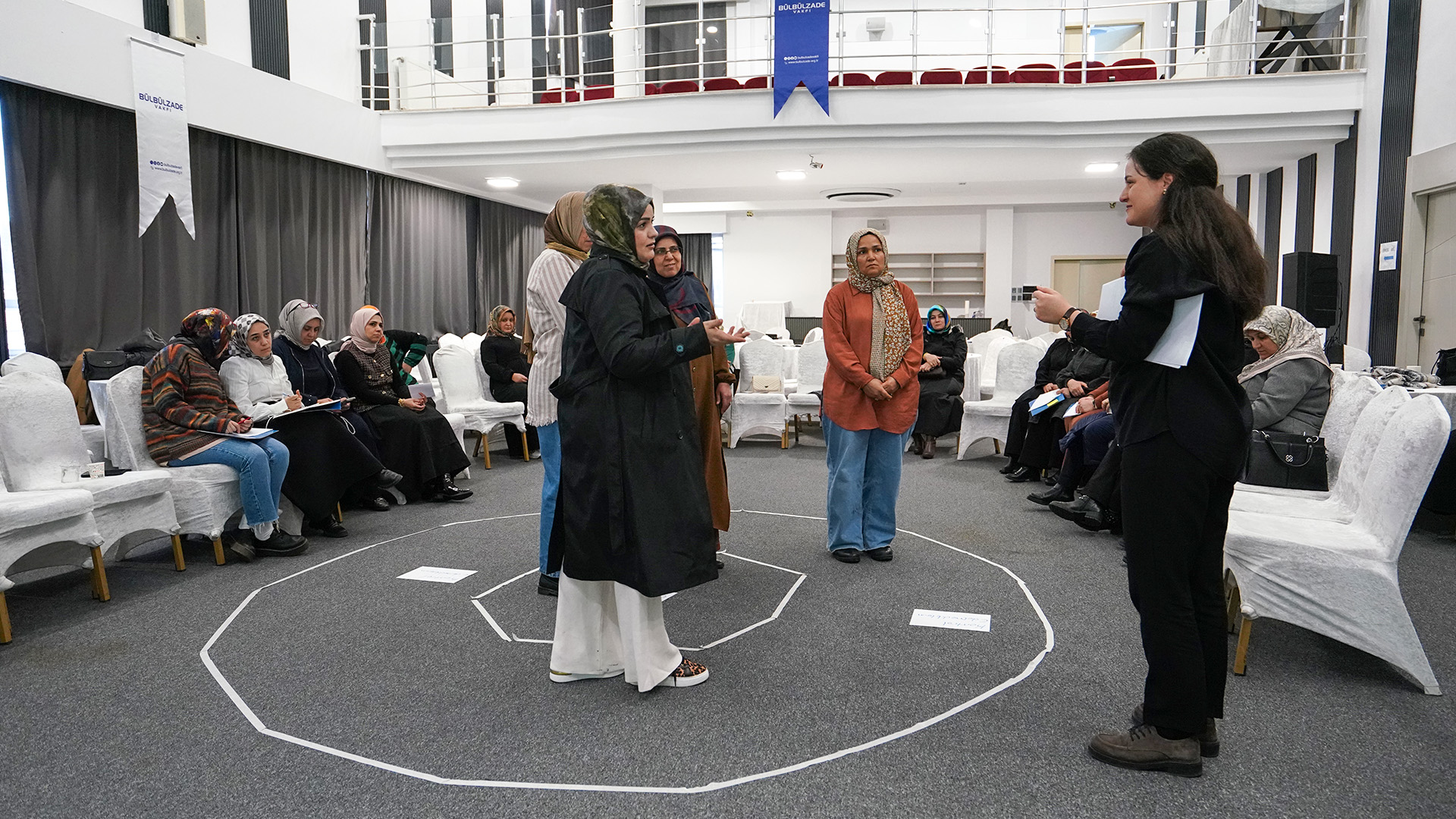
Throughout the workshop, the “Circle of Responsibility” activity enabled our volunteers to clearly distinguish between their own boundaries and uncontrollable external factors (economic crises, disasters, wars, etc.). Ethical principles in aid distribution were explained through the “bridge” metaphor, while issues such as institutional dress code, confidentiality, and social media use were addressed under the title “The Golden Rules of a Volunteer.” Finally, in order to protect the volunteer’s psychological well-being, energy management techniques such as setting boundaries and taking breaks were shared through the “Self-Care Battery” metaphor.
We concluded our program with the “Unity of Strength” circle, which included supportive expressions our volunteers may need in their fieldwork.